Reinsurance
Simplified
Most dealers focus on front-end gross, back-end gross, and monthly statements. The best dealers build assets. This training explains how your F&I department is already funding a wealth-building machine — and how to own it.
Max Zanan · 25 years consulting dealer principals




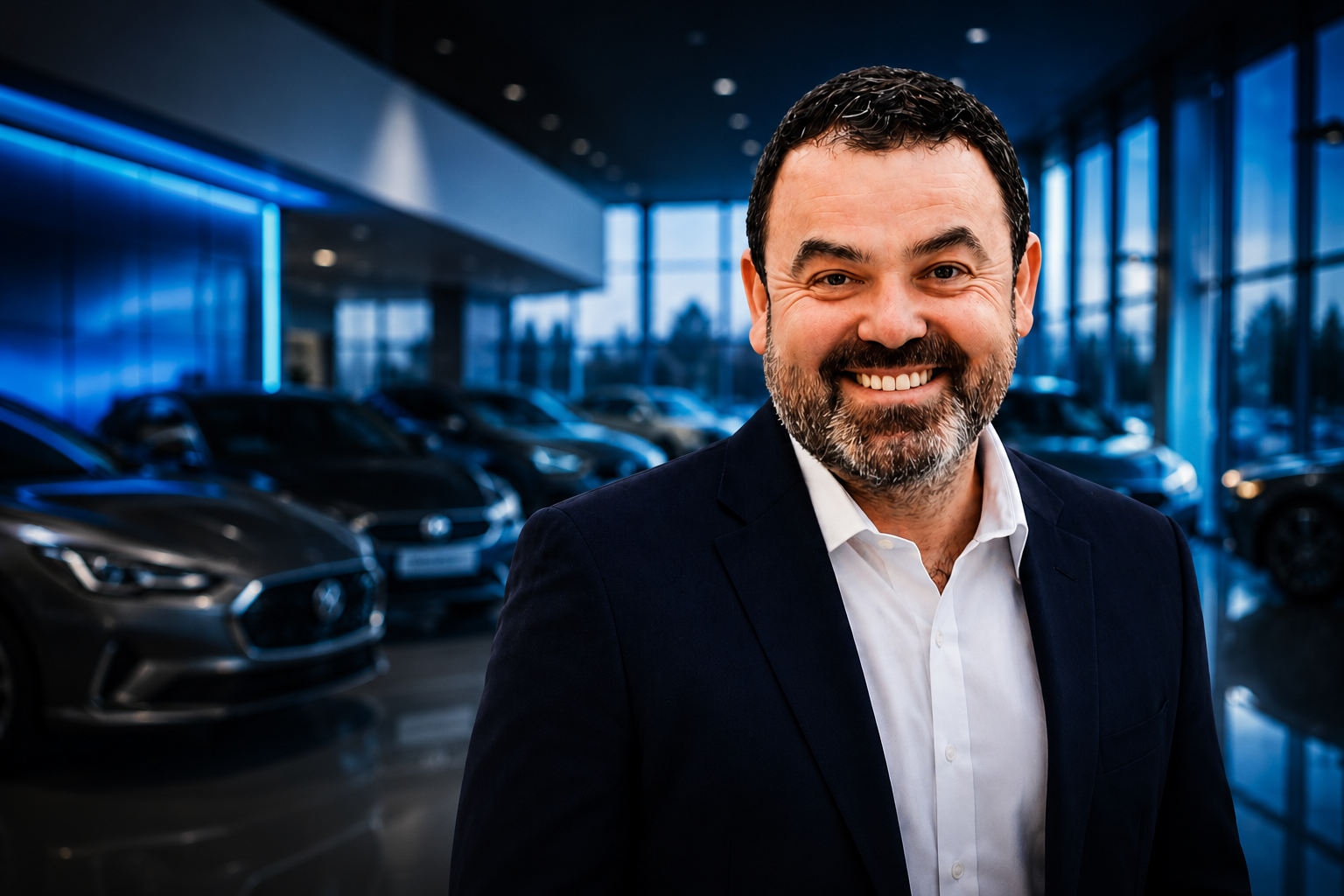
Five books. One consistent thesis: most dealers build income. The best build assets.
Max Zanan has spent more than 25 years working with dealer principals, general managers, and controllers across North America. His consulting practice is built on structural improvements — not marketing tactics — that compound in value over time.
Reinsurance is the most underutilised structure he encounters in every market. Most dealers either do not participate, or participate in a structure that does not reflect their actual opportunity.
- Perfect Dealership
- The Art and Science of Running a Car Dealership
- Effective Car Dealer
- Car Business 101
- The Definitive Guide to F&I
What reinsurance can build over 10 years — by store size
Assumptions: $1,000 average ceded premium per F&I product, 1.5 products per retail unit, 50% loss ratio, 5% annual investment return, no distributions over 10 years. Exact figures from the webinar.
All projections assume no distributions over the 10-year period. Tax treatment varies. Always consult qualified tax and legal advisors.
The three sources of reinsurance wealth
Underwriting Profit
When premiums exceed claims, the difference belongs to the dealer's reinsurance company — not the administrator, not the manufacturer. Every F&I product sold contributes to a growing pool of capital that the dealership controls.
Investment Income
Funds held inside the reinsurance structure to cover future claims do not sit idle. They are invested. The investment income accumulates inside the structure and compounds over time — separate from underwriting profit.
Compounding
Underwriting profit earns investment income. That investment income earns more. Over a 10-year horizon, the compounding effect on even a 1,000-unit dealership produces results that most dealers find difficult to believe until they see the math.
Liquidity without liquidation
One of the least understood benefits of reinsurance is access to capital. As funds accumulate inside the reinsurance company, dealers may have options to access liquidity through properly structured loans — without triggering a taxable distribution.
The dealer pays interest. The reinsurance company receives the interest. The money continues working within the overall wealth-building strategy.
- Acquiring another dealership or location
- Purchasing real estate
- Funding facility improvements
- Working capital needs
Tax deferral: the mechanism most dealers ignore
Without reinsurance, F&I product income is recognised and taxed in the year it is earned. With a properly structured reinsurance arrangement, underwriting profits remain inside the reinsurance company until distributed.
Income taxed in the year it is earned
F&I product income is generally recognised and taxed currently. Every dollar earned from VSC, GAP, or maintenance products flows through as ordinary income in the year of sale. There is no deferral mechanism and no compounding on pre-tax capital.
Underwriting profits accumulate before distribution
Underwriting profits remain inside the reinsurance company until the dealer chooses to distribute them. Investment income accumulates inside the structure. The ability to allow funds to grow before distribution can dramatically increase long-term wealth accumulation.
Five reinsurance myths debunked
Only large dealer groups can participate.
A 1,000-unit dealer operating under the assumptions in this webinar accumulates approximately $9.4 million in 10 years. Participation scales to store size — this is not a large-group instrument.
Reinsurance is only about taxes.
Tax deferral is one of three distinct wealth mechanisms. Underwriting profit and compounding investment income operate independently of the tax question and would justify participation on their own terms.
It is too complicated to implement.
The administrative complexity is real but manageable. The webinar walks through the actual implementation requirements including DMS integration, month-end close impact, and what your controller needs to know from day one.
My administrator already has me in the best structure.
Administrators design structures that serve their interests alongside yours. The webinar covers what to look for in Dealer Obligor versus Administrator Obligor arrangements — and why those distinctions matter to your long-term position.
Admin fee is the most important factor.
Admin fee affects margin on individual products. Structure — who holds the risk, how capital accumulates, and how it is eventually distributed — determines your 10-year wealth position.
Most dealers measure monthly profit. The best dealers build assets. The objective isn't simply to make more money — the objective is to build something valuable.
Ten sections.
One clear framework.
Each section builds on the last — from first principles through 10-year projections. By the end, you will have a complete picture of how reinsurance works, what it is worth at your volume, and whether it belongs in your wealth plan.
The Biggest Mistake Dealers Make
Most dealers believe they make money when they sell the product. The biggest opportunity comes after the sale.
Reinsurance Explained in Plain English
How premium flows from the F&I product into the dealer's reinsurance company, how claims are paid, and where underwriting profit lands.
Why Reinsurance Is an Asset
Dealers invest in real estate, stocks, and acquisitions. Reinsurance is among the most powerful assets available — and the least utilised.
Three Sources of Wealth
Underwriting profit, investment income, and compounding — how each layer contributes over a 10-year horizon.
Tax Deferral Mechanics
What defers inside a properly structured arrangement, how investment income accumulates, and why deferral changes long-term accumulation math.
Liquidity Without Liquidation
Accessing accumulated capital through structured loans without triggering a taxable distribution — for acquisitions, real estate, or working capital.
10-Year Projections by Store Size
Dealer A: $9.4M. Dealer B: $18.9M. Dealer C: $47.2M. Assumptions fully disclosed.
Dealer Obligor vs. Administrator Obligor
The structural differences between both arrangements — participation level, liability, and succession planning implications.
Five Myths + Building Enterprise Value
The misconceptions that prevent dealer principals from acting — and the long-term case for reinsurance as a legacy asset.
Watch Reinsurance Simplified — no charge
Answer four quick questions to unlock your free access.
Your information is kept private. No unsolicited contact. Unsubscribe at any time.
© 2025 MZ Dealer Services. Smart Strategies. Lasting Results. This webinar is for informational purposes only and does not constitute tax, legal, or financial advice. Tax treatment of reinsurance arrangements varies. Always consult qualified tax and legal advisors before implementing any wealth strategy.
You are in.
Reinsurance Simplified is ready.
Watch the full training below. When you are ready to run your actual store numbers through the model, book a complimentary Reinsurance Review with Max.
Reinsurance Simplified — Full Webinar
Max Zanan
Ready to run your actual store numbers?
The projections in the webinar use standardised assumptions: $1,000 average ceded premium, 1.5 products per retail unit, 50% loss ratio, 5% investment return. A Reinsurance Review puts your real volume, your actual product mix, and your F&I performance through the same model.
The review is complimentary. It runs 30 minutes. Max will walk you through your current participation structure, your underwriting performance relative to benchmarks, and what your specific 10-year position looks like based on what your DMS actually shows.
No pitch. No pressure. If reinsurance is not the right structure for your operation, that will be clear within the first 15 minutes — and you will leave with a more accurate picture of what is.
Your complimentary Reinsurance Review includes:
- Analysis of your current F&I participation structure and where value may be going elsewhere
- Your product mix reviewed against underwriting performance benchmarks for your volume tier
- A 10-year wealth projection built on your actual annual retail unit count and average premium
- Dealer Obligor vs. Administrator Obligor breakdown — which structure fits your goals and risk profile
- Clear next steps if reinsurance is the right fit — and an honest answer if it is not
30 minutes · Zoom · No charge · calendly.com/maxzanan/consultation